What is Self-Defence?
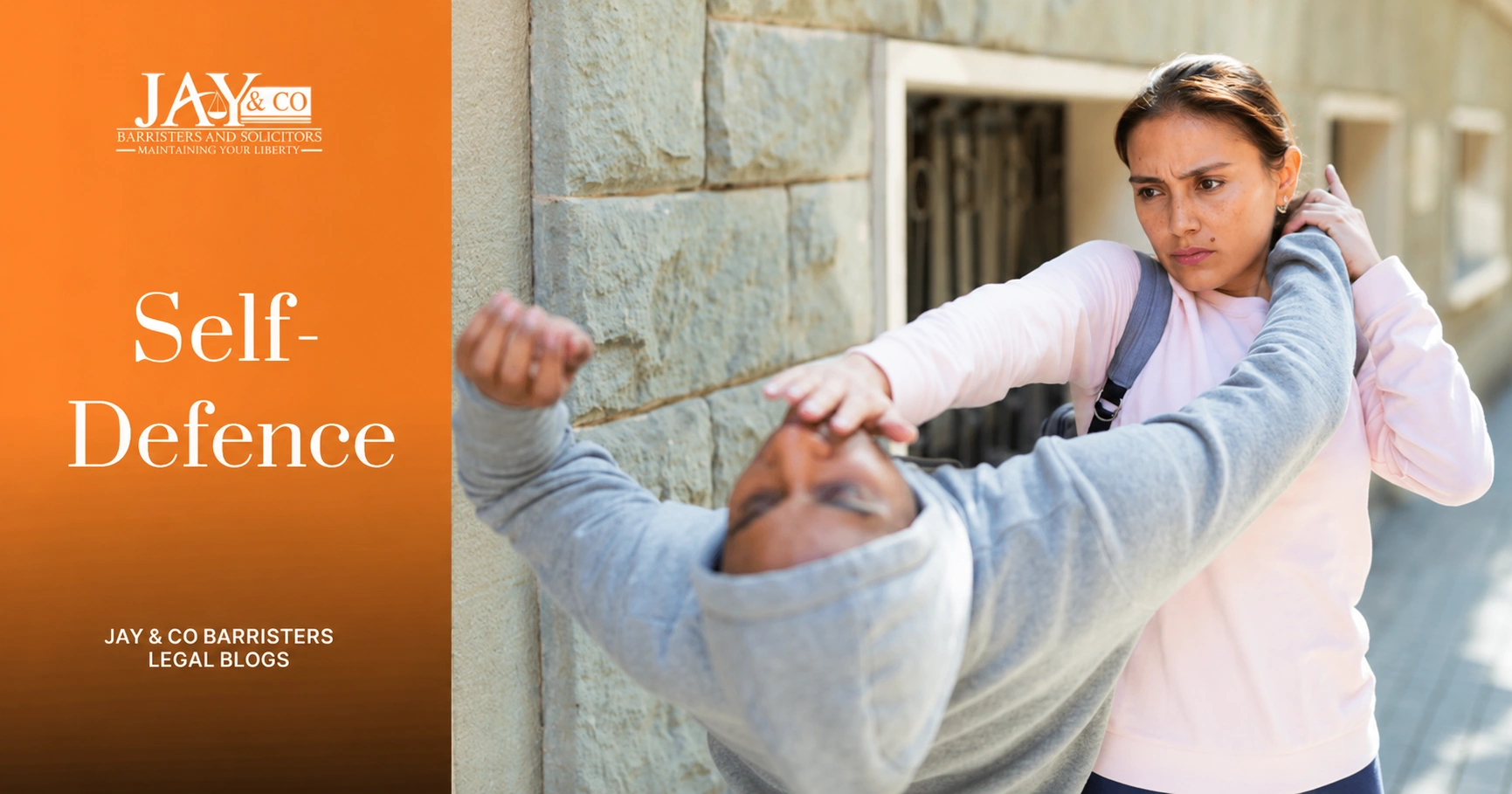
Self-defence in Victoria is a legal defence to violent offences such as assault, causing injury, manslaughter or murder. If self-defence is successfully made out, a person will be acquitted.
A person may commit an offence but will not be guilty of that offence if they acted in self-defence.
Section 322K of the Crimes Act 1958 (Vic) outlines the elements of this defence:
- The accused believed their conduct was necessary in self-defence; and
- The conduct was a reasonable response in the circumstances as the accused perceived them.
Element 1: Belief in Necessity
The accused must have held a genuine belief that their conduct was necessary to defend themselves or another person. This element focuses on what the accused believed at the time rather than what a “reasonable person” would have believed to be necessary.
Element 2: Reasonable Response
The accused may have believed their actions were necessary, however, their response must be reasonable.
This is an objective test, but it must be made in consideration of the circumstances as the accused perceived them.
Burden of Proof
The prosecution must prove beyond reasonable doubt that the accused was not acting in self-defence.
If the prosecution fails to disprove the elements of self-defence, the accused will be acquitted.
Legal Advice
If you have been charged with a violent offence and acted in self-defence, it is critical to seek legal advice as soon as possible. Contact us today for a consultation and allow us to provide you with the clear and strategic representation you require.